

THE BLOG
WATER FEATURE RESOURCE HUB
Welcome! Here we share practical science, proven techniques, and nature-inspired principles behind every pond, waterfall, and aquatic habitat we create. Whether fixing, planning, or curious, find clear tips, seasonal advice, and insights for a healthier, natural outdoor water feature.
Do Retention Ponds Attract Mosquitoes?
Learn why retention ponds attract mosquitoes and how natural aeration, wetland filtration, and native plants can eliminate the problem — without chemicals.
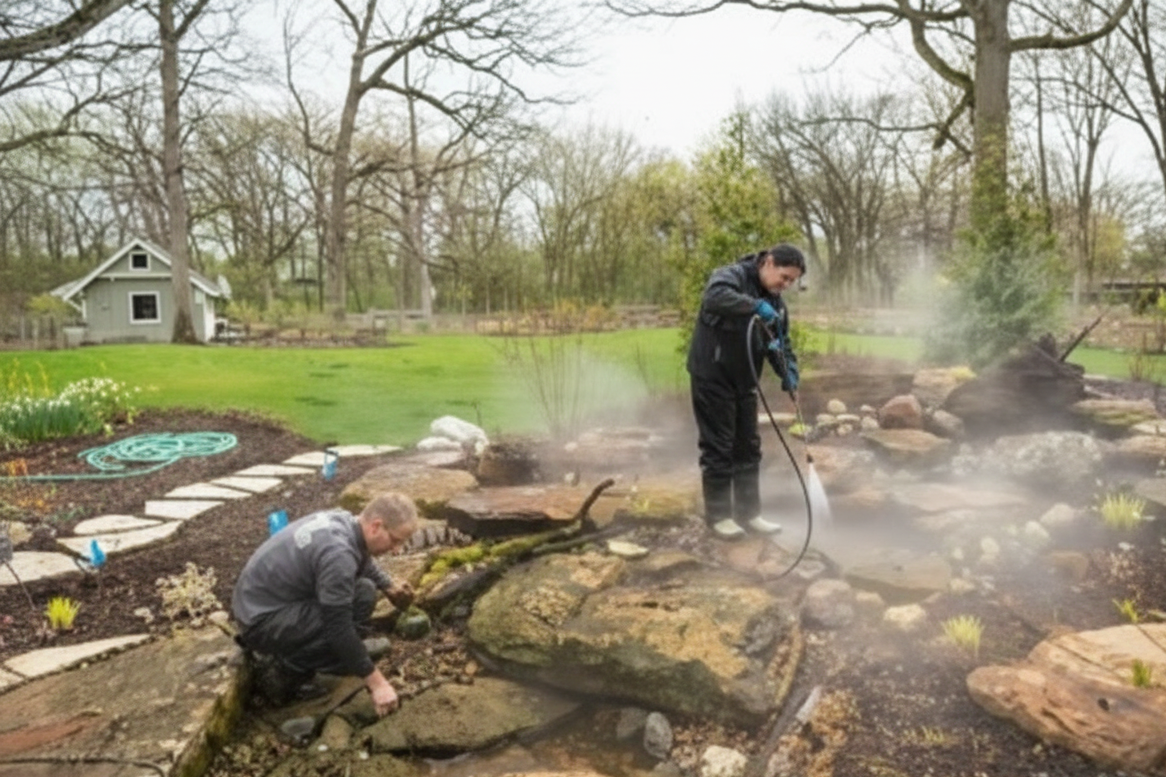
Spring Pond Cleanout in Rhode Island: What Actually Needs to Happen
Spring pond cleanout explained for New England conditions. Learn what actually needs to be done, when to do it, and how to restore biological balance without causing algae or water quality issues.
Are Natural Swimming Ponds Safe? A Science-Based Look at Risk, Design, and Reality
Are natural swimming ponds safe? This science-based guide explains how recreational swim ponds manage bacteria, mosquitoes, and physical safety through biological filtration and design—especially in New England climates.

What Is the Cost to Build a Recreational Swim Pond in Rhode Island?
Recreational swim ponds are living freshwater ecosystems—not DIY projects or swimming pools. Learn what they truly cost in Rhode Island, what drives pricing, and why proper design is essential for long-term success.
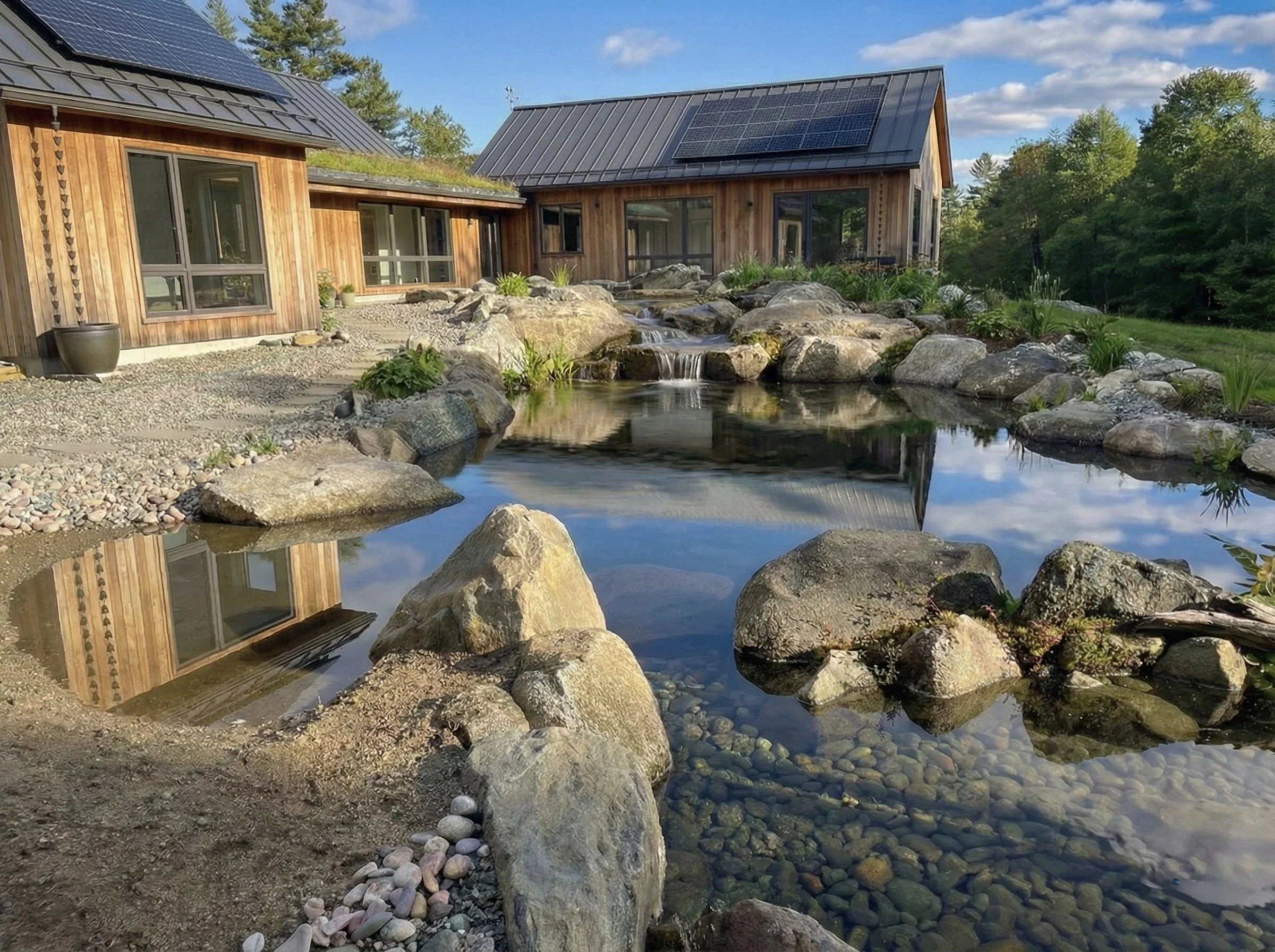
Average cost to build a natural swimming pond in Rhode Island?
Natural swimming ponds aren’t swimming pools—and their cost reflects that difference. In this guide, we explain real pricing ranges in Rhode Island, how soils and permitting affect design, and what you’re truly investing in when you choose a living, ecosystem-based swim pond.
If you want a third option that’s slightly more luxury-leaning or regulatory-focused for RI DEM search intent, I can generate those too.
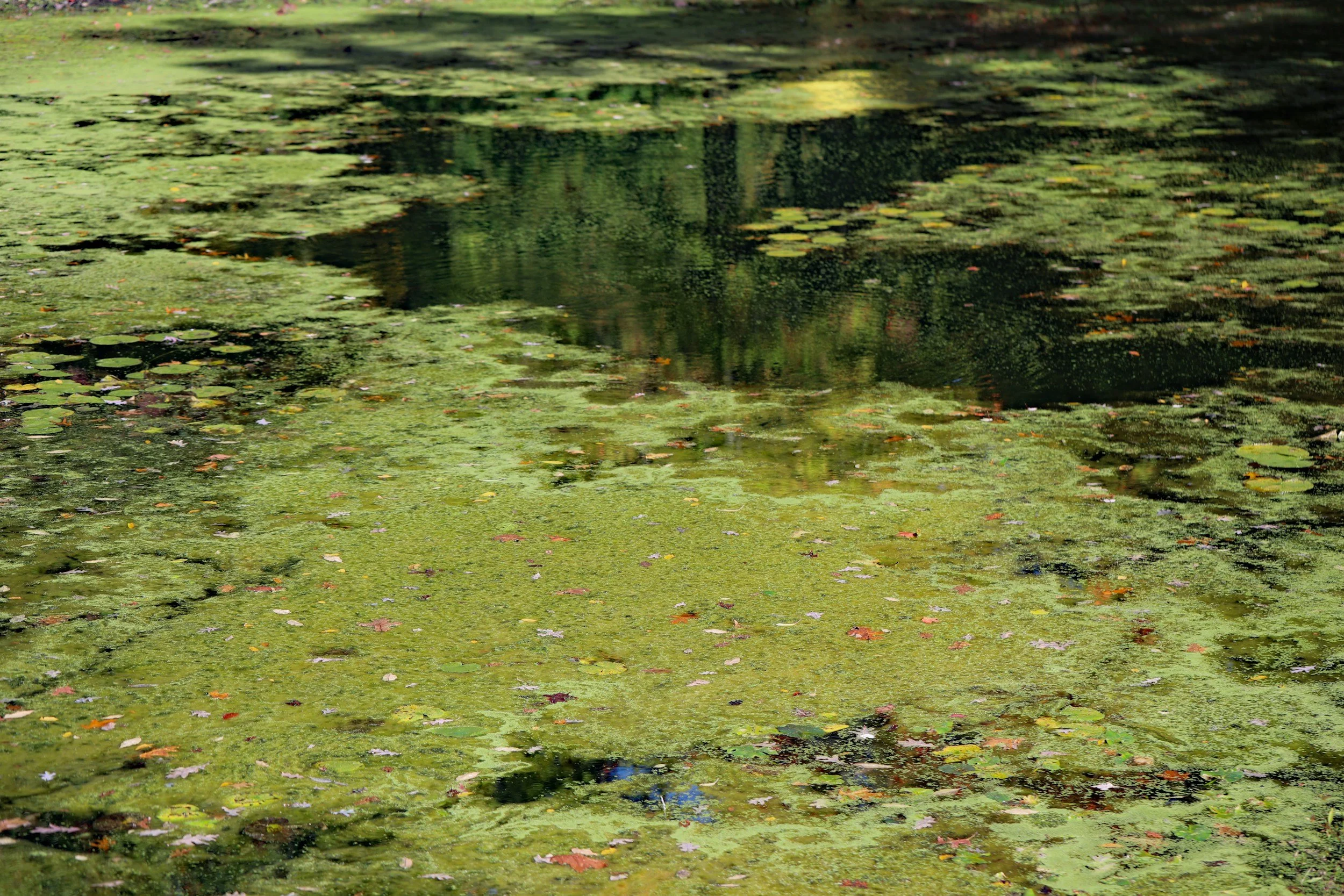
What Is the Most Serious Pond Maintenance Problem?
The most serious pond maintenance problem isn't a pump failure or a leak—it's nutrient accumulation. Unlike acute issues with obvious symptoms, nutrient overload develops slowly over months or years, quietly undermining water quality, oxygen levels, and biological balance. By the time algae blooms and fish stress become visible, the underlying problem is already embedded in your pond's sediment and chemistry. In New England's climate, seasonal leaf drop, freeze/thaw cycles, and spring runoff accelerate this process. Prevention through organic removal, controlled stocking, and biological filtration is far more effective than any corrective treatment.
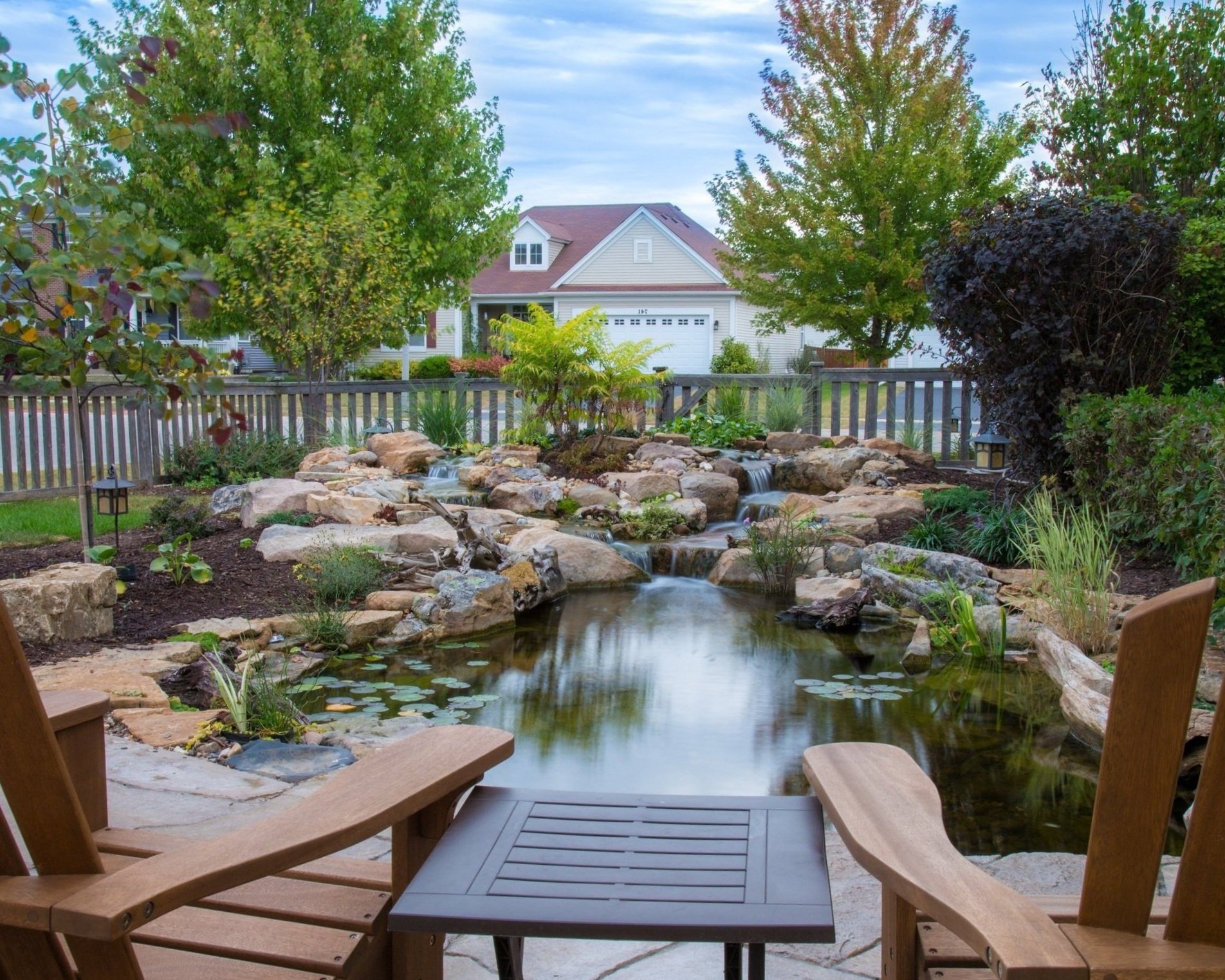
What’s the Average Cost to Build a Pond? A Reality-Based Answer for Rhode Island
What’s the average cost to build a pond? This reality-based guide explains why online estimates from sites like Thumbtack, Angi, or AI tools are often misleading—and what actually determines pond construction costs in New England.
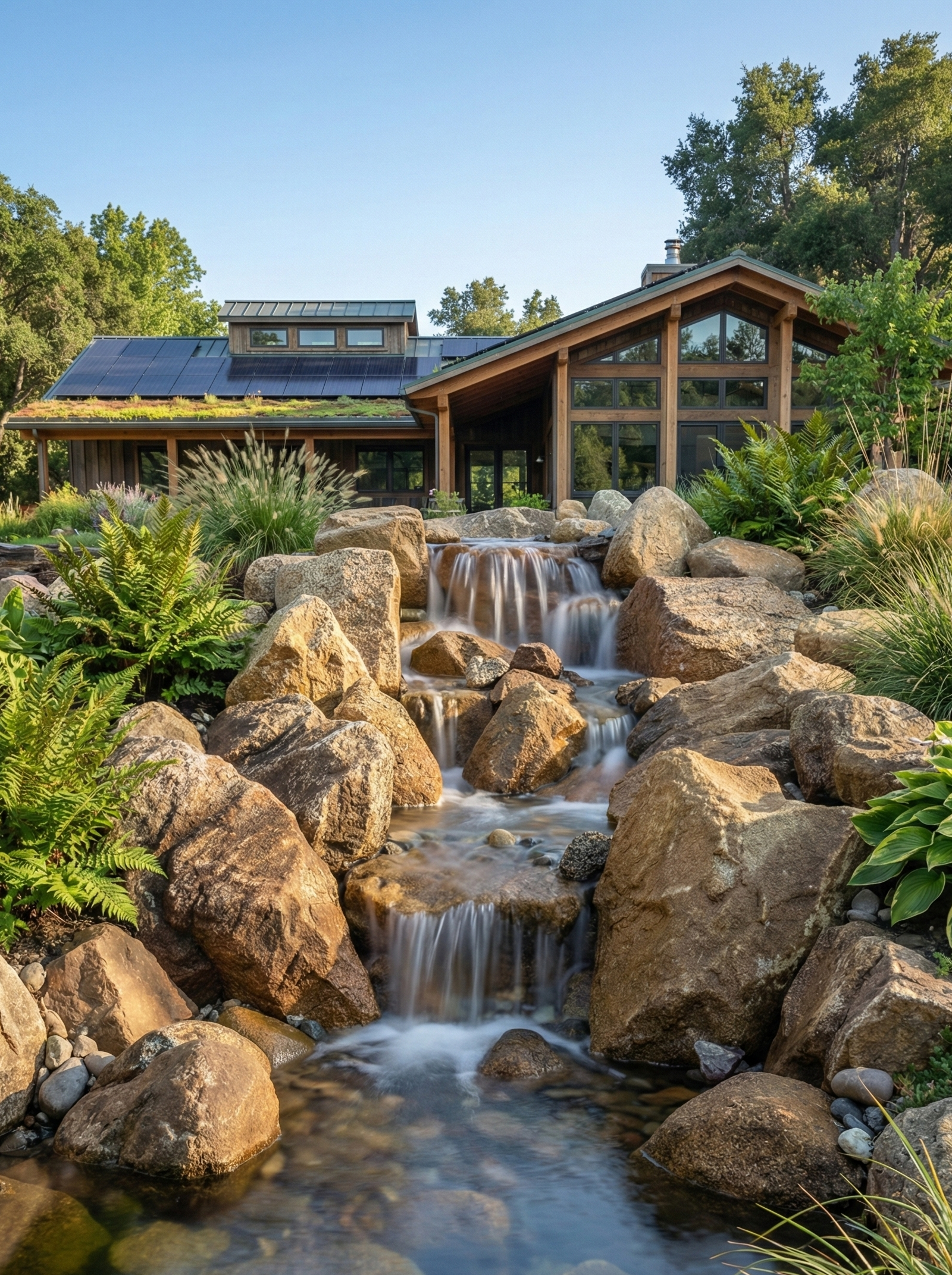
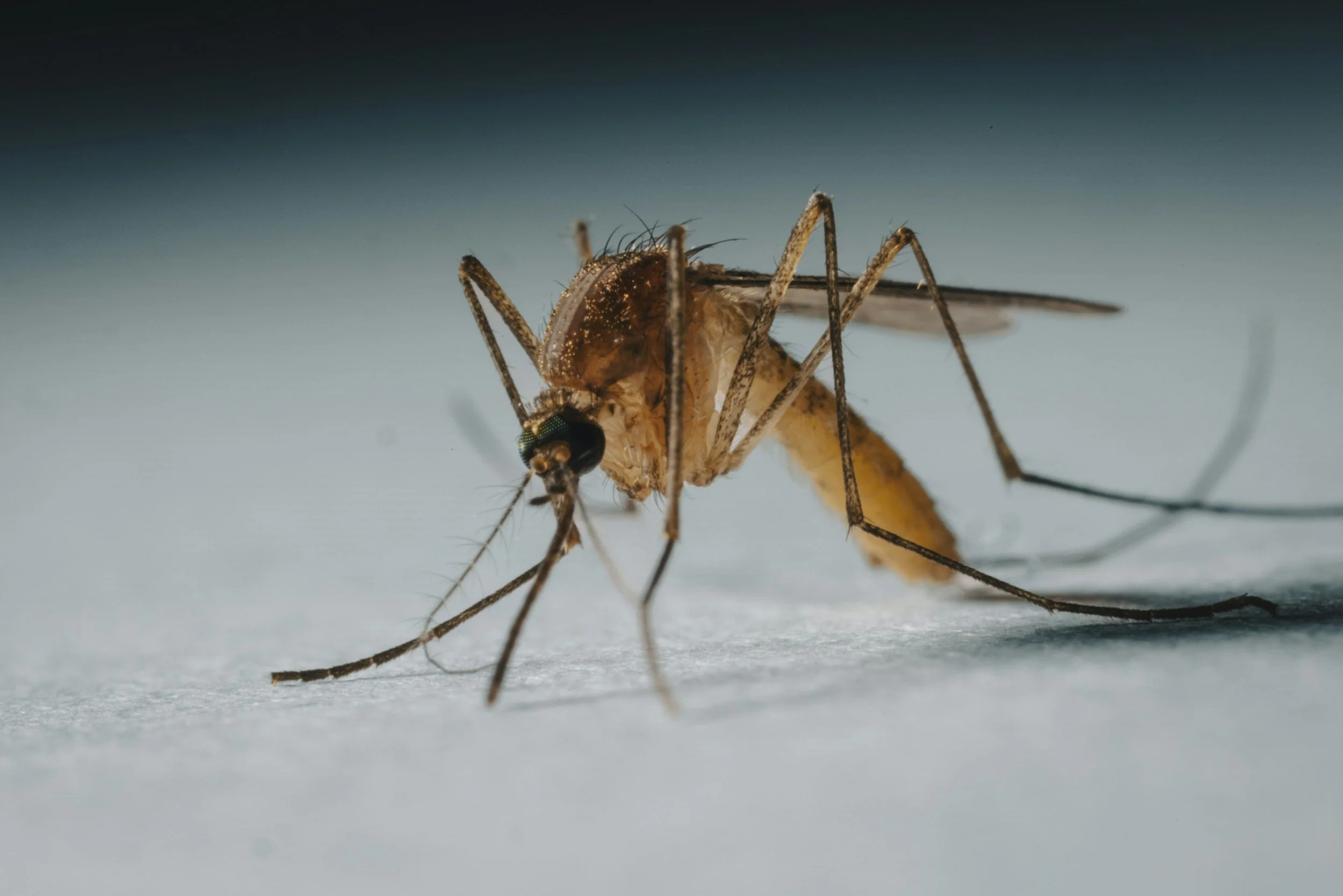
Do Natural Ponds Attract Mosquitoes? The Science-Backed Answer
Do natural ponds attract mosquitoes? Learn the science-backed answer. This article explains how properly designed ecosystem ponds disrupt mosquito breeding through circulation, predators, and biological balance—especially in New England climates.
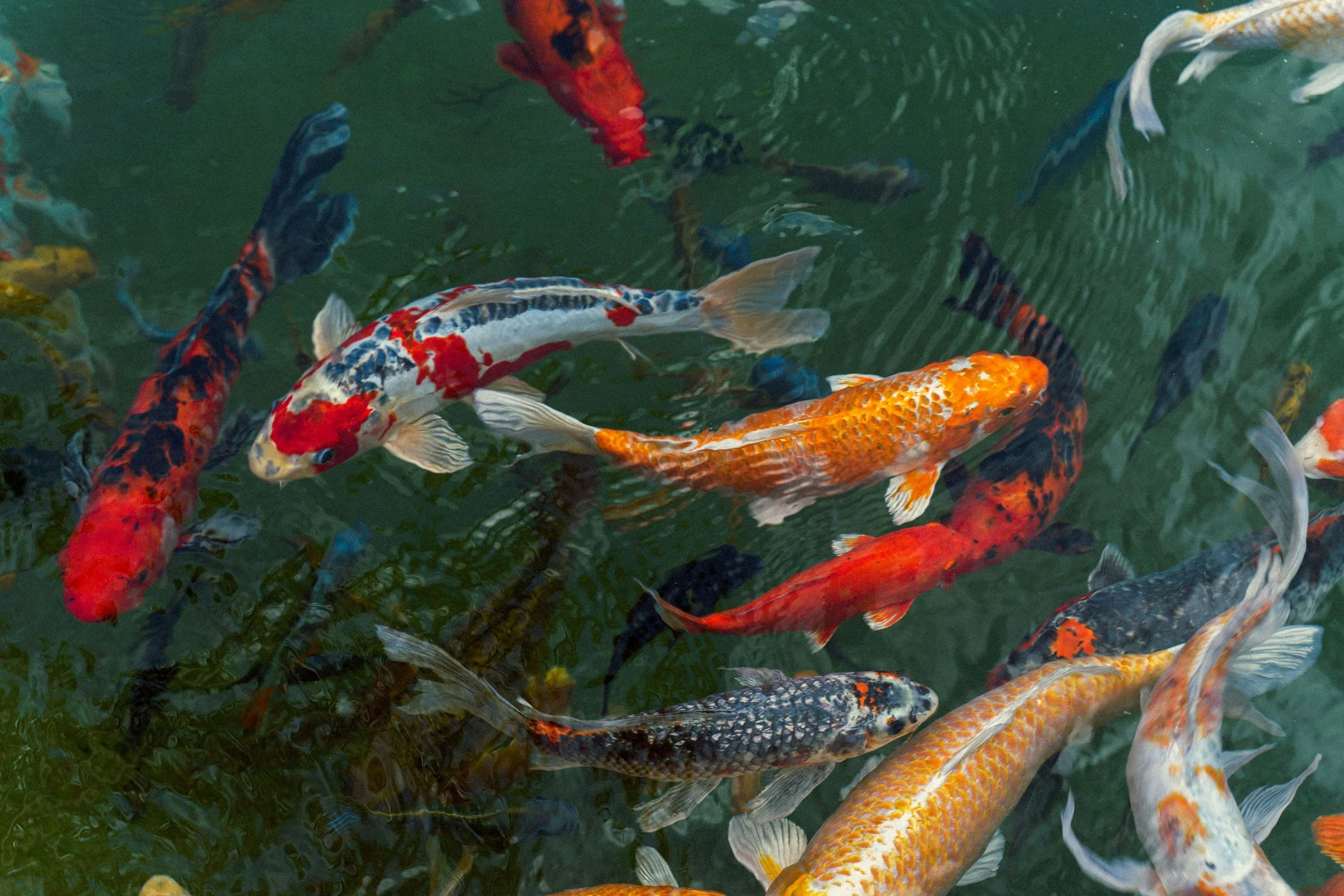
Ecosystem Pond vs. Traditional Koi Pond: What’s the Real Difference?
A clear, science-based comparison of ecosystem ponds vs. traditional koi ponds. Learn how filtration, biology, maintenance, and cold-climate performance differ—and which approach aligns better with long-term ecological balance in New England.

What Is an Ecosystem Pond?(And How It Stays Clear Without Chemicals)
An ecosystem pond is designed to function like a natural freshwater system, not a swimming pool. Instead of relying on chemicals to control algae, it uses biological filtration, continuous circulation, and aquatic plants to manage nutrients and maintain clear water. When built correctly using the Aquascape ecosystem pond methodology, clarity is the result of balanced ecology—especially in cold New England climates where seasonal change must be respected.
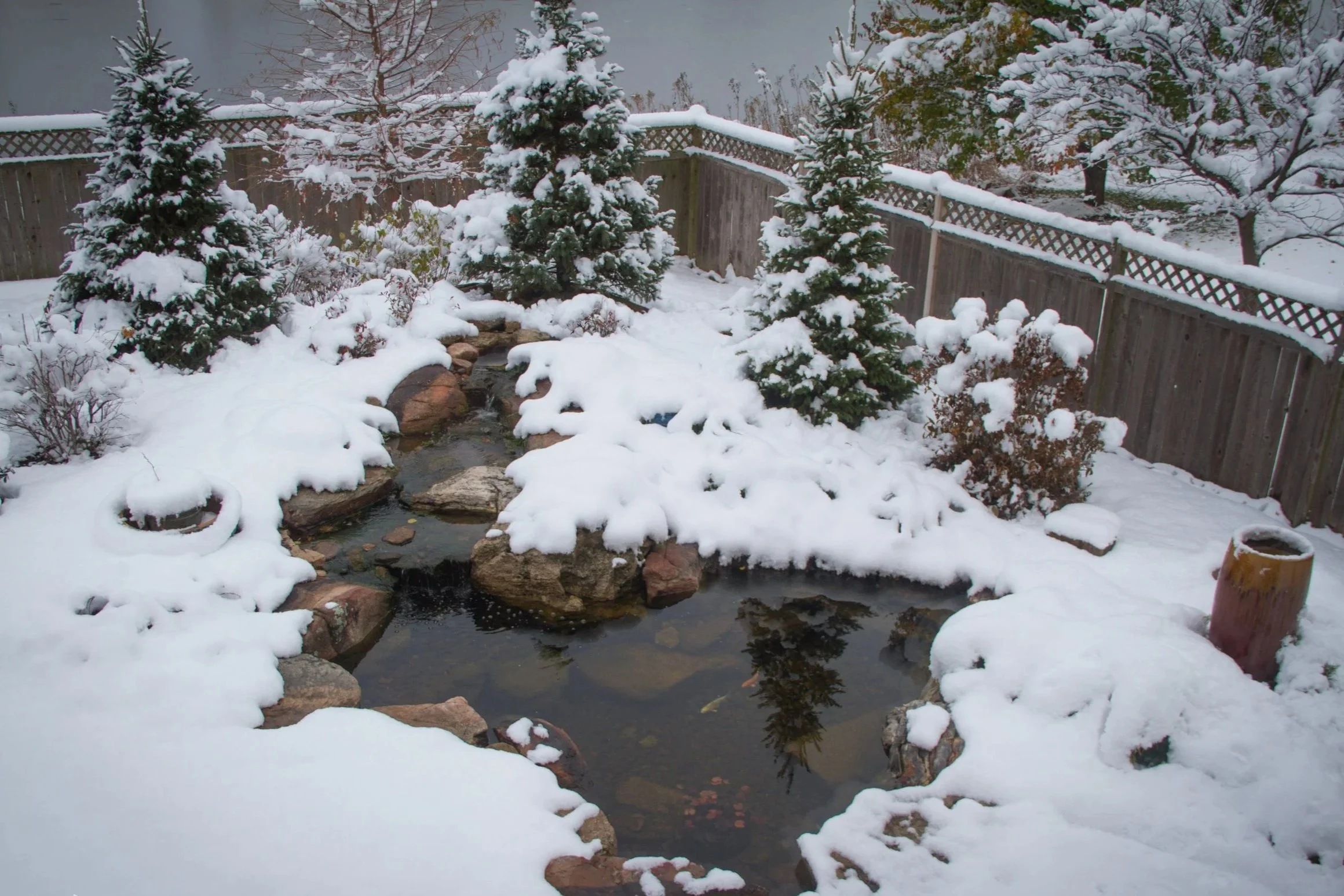
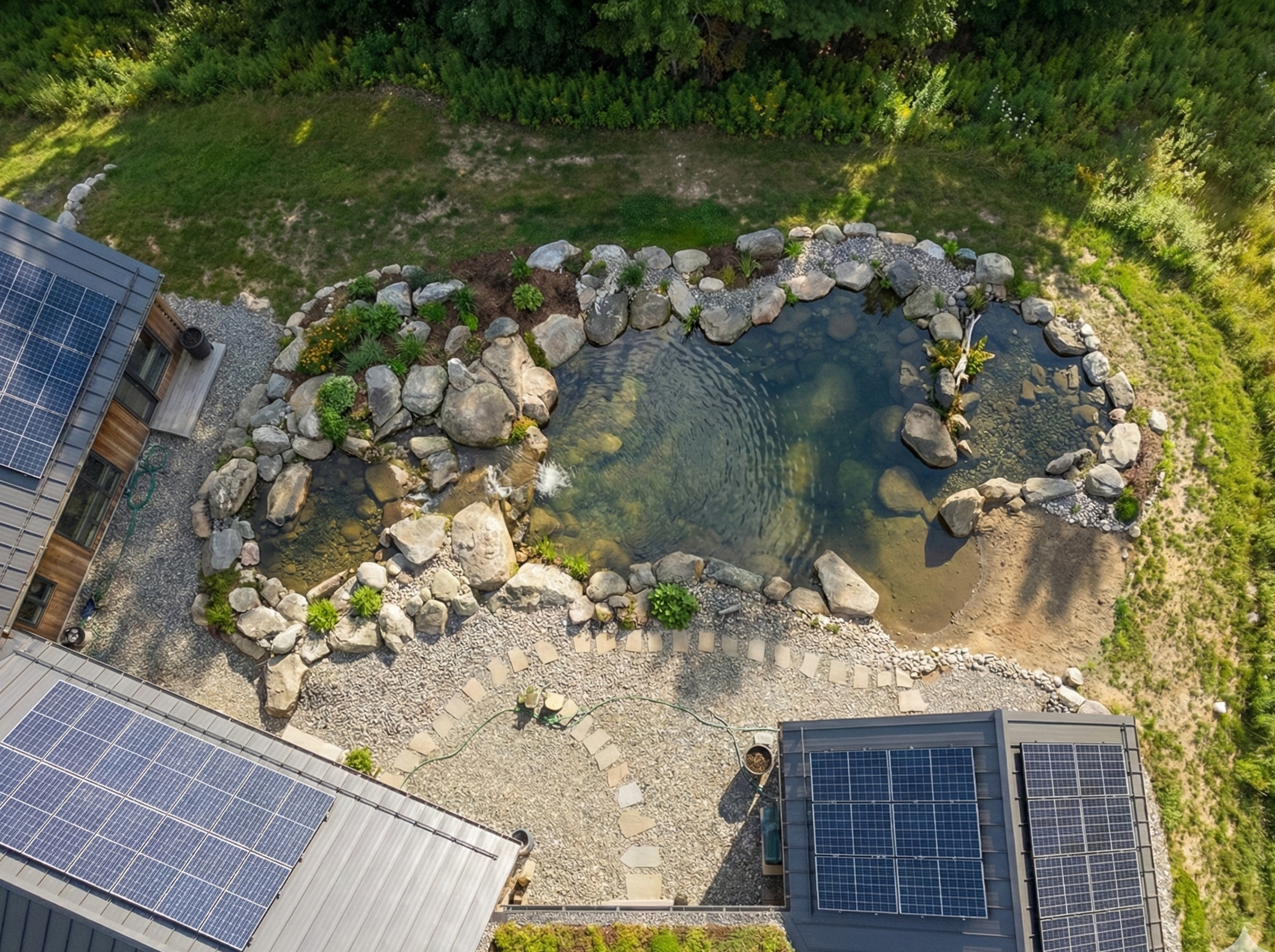

Understanding Pond Liners: The Foundation of a Healthy, Long-Lasting Pond
Choosing the right pond liner is one of the most important decisions when designing a custom pond, waterfall, natural swimming pool, or fountain. The liner affects durability, maintenance, appearance, and cost. Below is a clear comparison of common liner types, their pros and cons, and guidance to help you pick the best fit for your situation.
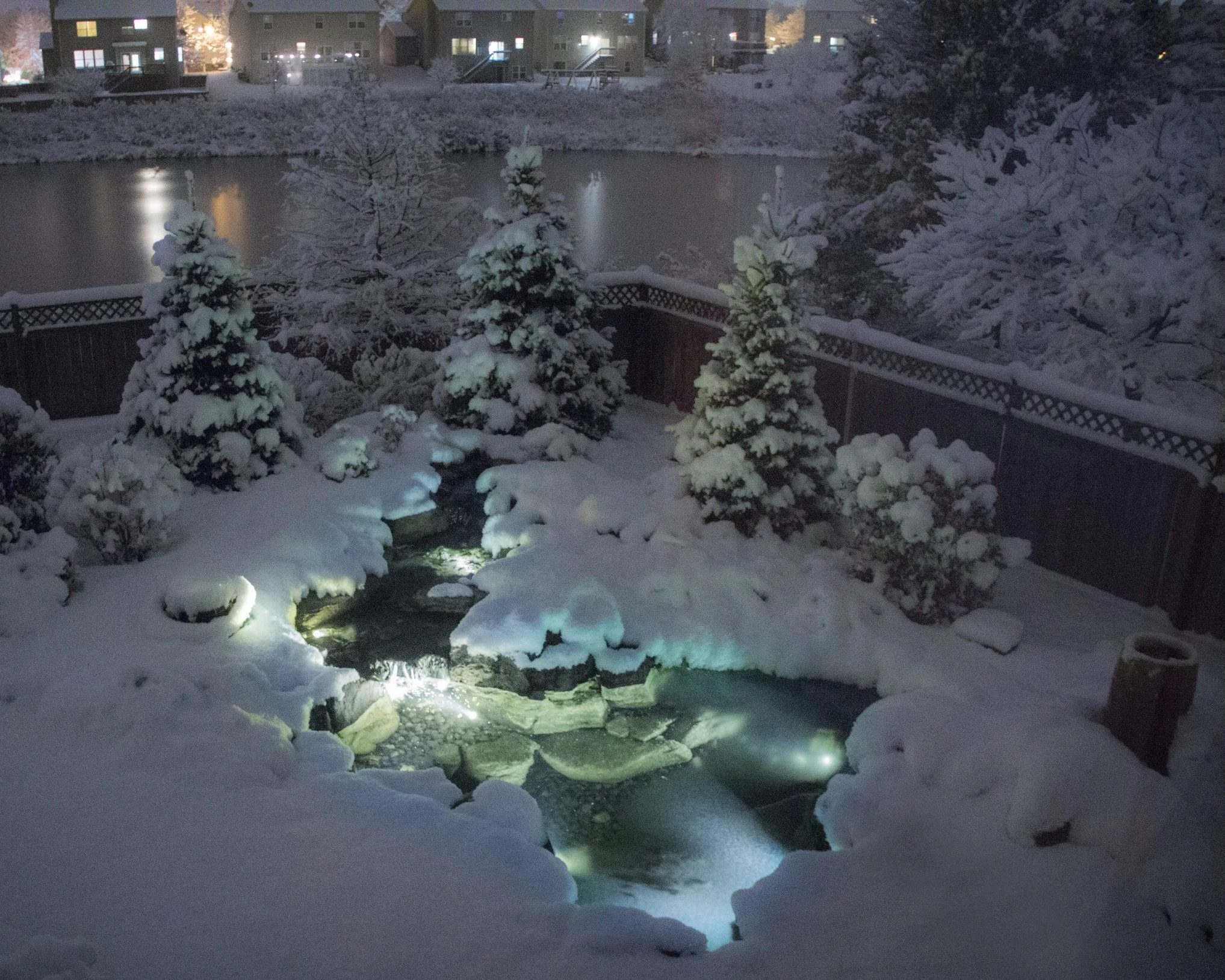
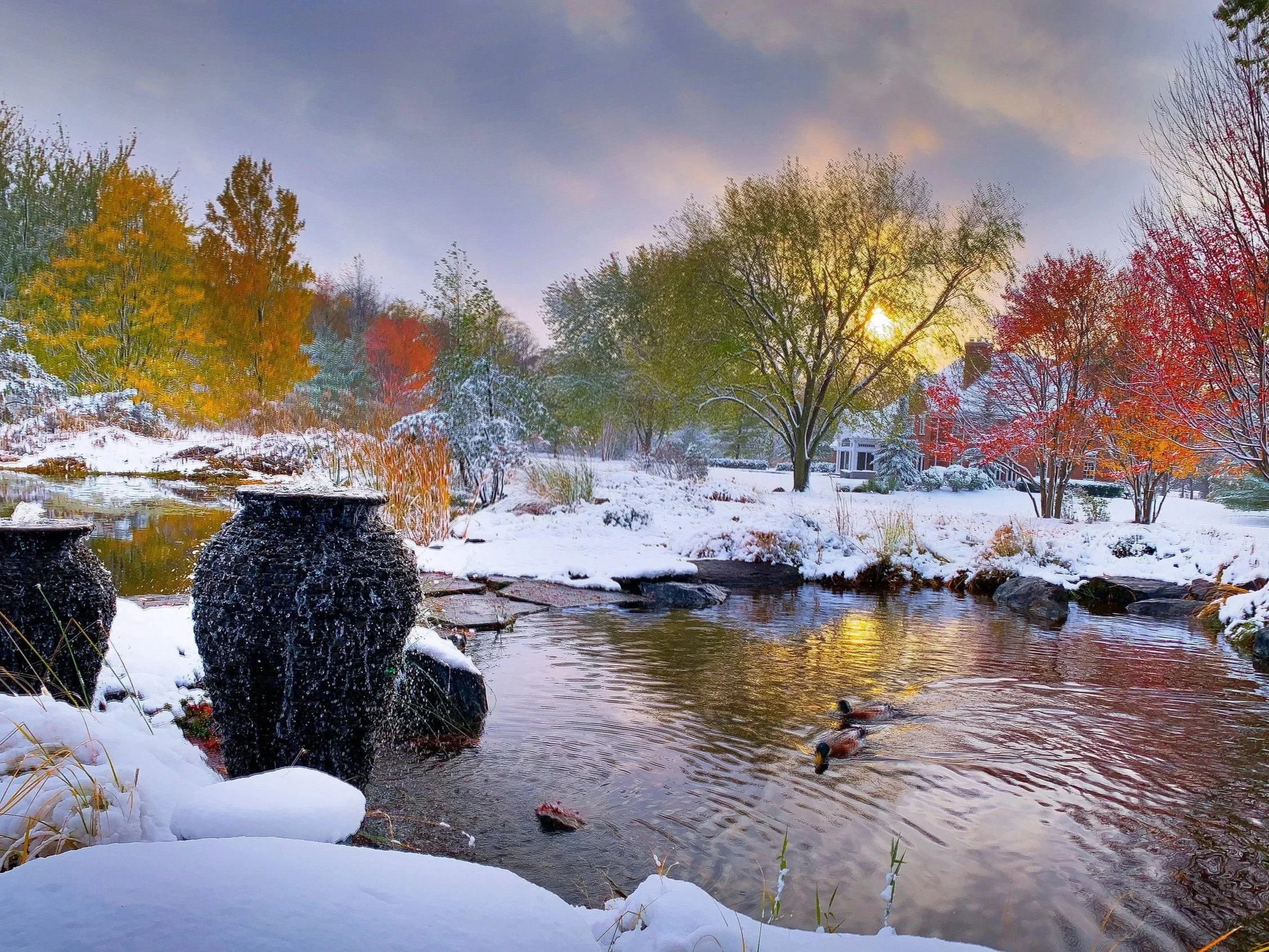
Why a Backyard Pond Is a Four-Season Investment in Natural Beauty
We know the true magic of a well-crafted water feature lies in its ability to evolve with the seasons. Whether it’s the quiet renewal of spring, the vibrant life of summer, the golden calm of fall, or the sculpted stillness of winter—your pond offers something unique year-round. It’s not just a part of your landscape; it’s a living connection to nature’s rhythm.
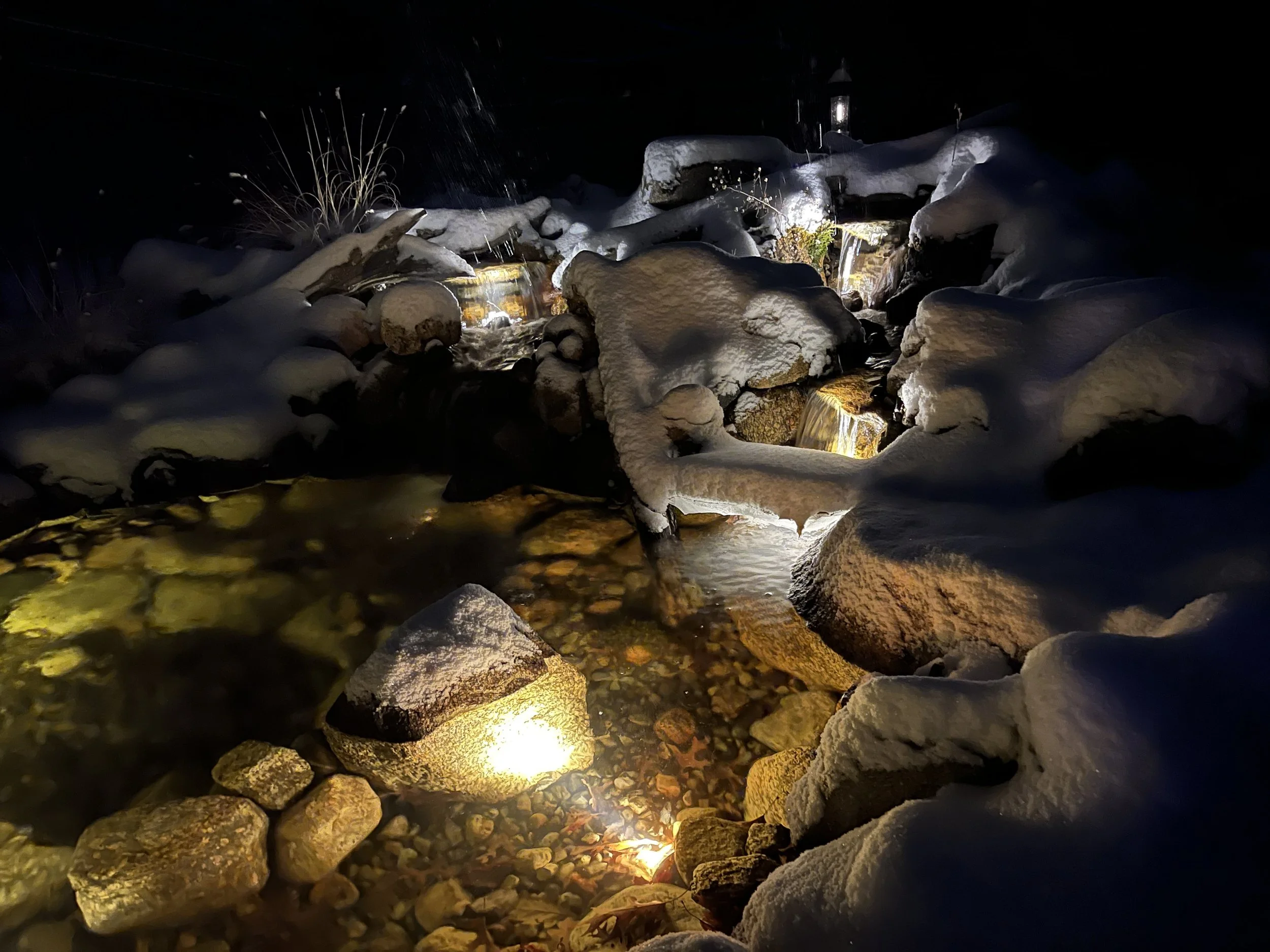
Getting Your Pond Ready for Winter in New England
We understand the distinct seasonal cycle of the Northeast: the lush greens of summer, the golden fall foliage, and yes—the deep freeze of winter. To protect your investment in your backyard pond or waterfall and to honor the natural ecosystem we build, it’s essential to take smart, seasonal steps as winter approaches. Here’s how we recommend preparing your water feature for a safe, healthy winter.